In a significant diplomatic development, President Donald Trump announced a potential resolution to the conflict with Iran, suggesting that the war could conclude if Tehran agrees to a deal with Washington. Trump communicated via social media that the “Epic Fury” operation might end, allowing the Strait of Hormuz to be accessible to all nations, including Iran, provided that Iran fulfills its commitments. However, he issued a stark warning that if an agreement is not reached, military action would resume with greater intensity.
This announcement followed Trump’s decision to momentarily pause the “Project Freedom” initiative, which involves escorting ships through the strategically vital Strait of Hormuz. This waterway, which transports nearly 20% of the global oil supply, has been under blockade by Iran since late February, causing a spike in energy prices worldwide. The pause in operations aims to facilitate negotiations with Iran, though the blockade of Iranian ports remains intact. Iran’s Revolutionary Guards’ Navy responded by indicating that new procedures would ensure safe passage through the strait, signaling a possible thawing of tensions.
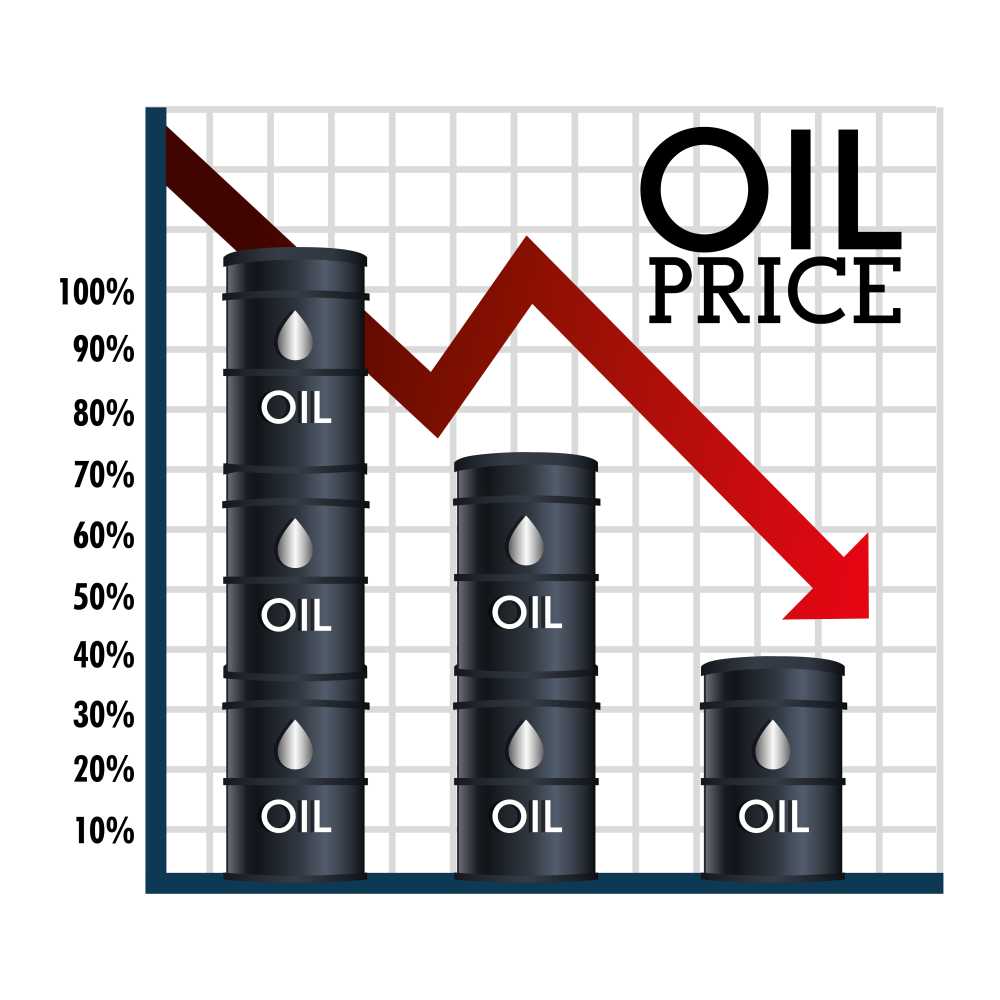
The prospect of a deal led to a noticeable impact on global markets. Brent crude oil, which had surged by 6% earlier in the week due to escalating tensions in the Middle East, saw a dramatic drop of 11%, falling to $97 a barrel, marking its first dip below $100 since April 22. Similarly, wholesale gas prices declined, with the British June contract decreasing by 6.3% to 107.8 pence a therm. This easing in energy prices buoyed airline stocks, reflecting optimism for the resumption of international travel.
Despite initial market reactions, oil prices later recovered some losses, trading down 7.3% at $101.83 a barrel after Iran dismissed the potential agreement as an “American wishlist.” Meanwhile, European stock markets experienced a rally, with the UK’s FTSE 100 rising by 2%, France’s Cac 40 climbing 3%, and Germany’s Dax increasing by 2.1%. The MSCI’s All-Country World Index reached a new high, alongside its emerging markets benchmark and the broadest index of Asia Pacific shares outside Japan, which gained 2.5%.
The fluctuating oil prices follow a peak of $126 a barrel last week, the highest since 2022, driven by uncertainties surrounding the US blockade of Iranian ports and stalled peace talks. As the situation evolves, market participants and political analysts alike are closely monitoring the developments between the US and Iran, which have far-reaching implications for global energy security and economic stability.