Technical discussions between the United States and Iran continue to progress through Qatari mediation, despite uncertainty surrounding the prospects of direct negotiations in Doha. These talks are part of a broader US-led initiative aimed at reducing regional tensions and addressing critical issues such as the release of frozen Iranian assets and ensuring maritime security. While Iran has denied the possibility of direct meetings with US officials, the dialogue persists indirectly under Qatar’s facilitation.
US representatives Steve Witkoff and Jared Kushner have been in Doha engaging in wider regional discussions. Despite Qatar’s acknowledgment that substantial Iranian funds remain frozen, the negotiations proceed amid mixed messages from Washington and Tehran regarding the status of these talks. The ongoing diplomatic efforts are crucial as they seek to ease the strain in a region further unsettled by recent events.
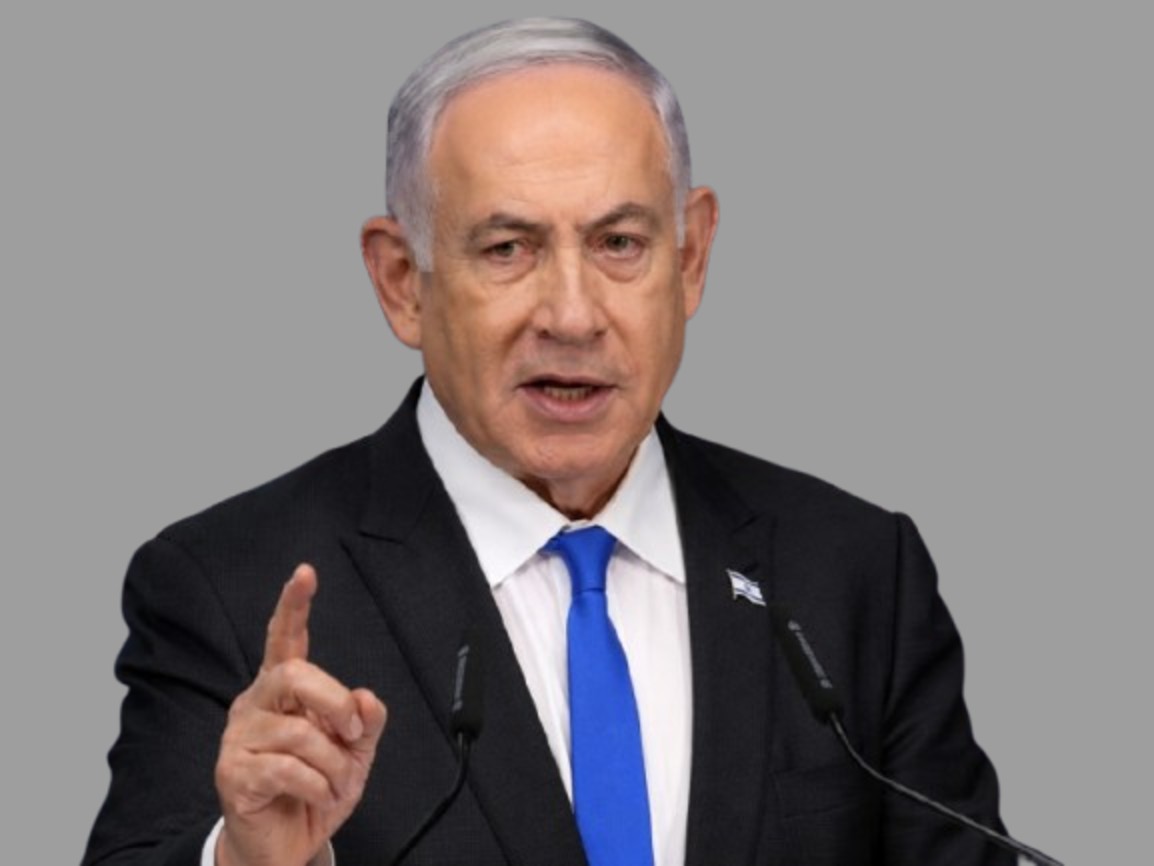
Compounding the situation are the heightened tensions following Israeli Prime Minister Benjamin Netanyahu’s visit to southern Lebanon. During his visit, Netanyahu emphasized that Israeli forces would maintain their presence in the area until the threat from Hezbollah is neutralized. This visit occurred shortly after a security arrangement between the US, Israel, and Lebanon, adding another layer of complexity to the already tense regional dynamics.
The Strait of Hormuz remains a focal point of contention in US-Iran relations, with both nations exchanging accusations over recent military activities and control over the vital waterway. This strategic passageway is crucial for global energy shipments and is a significant element in the ongoing diplomatic talks.
Oil markets are reacting cautiously, with prices showing volatility as stakeholders watch to see if the diplomatic engagements in Doha will help stabilize the region or lead to further instability. The outcome of these discussions could have broad implications for energy markets and geopolitical stability in the Middle East.