
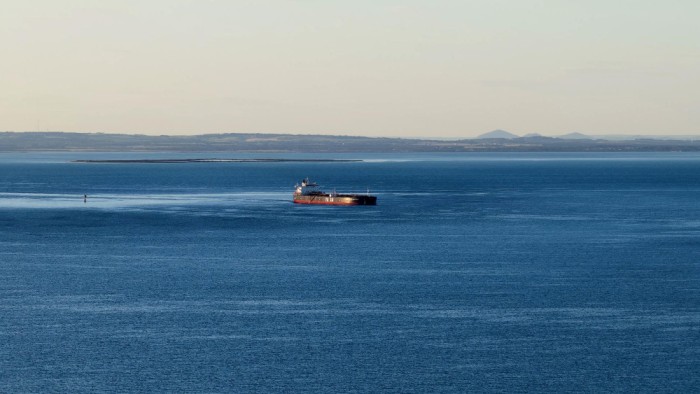
The United States and Iran have reached an agreement to halt military strikes following a series of escalations over the weekend, with the aim of reducing tensions in the Middle East. Both nations will engage in discussions in Doha to resolve disputes concerning the Strait of Hormuz, a critical maritime passage for global energy shipments. This development comes in the wake of mutual attacks, which had heightened concerns about the stability of a tenuous ceasefire and the potential for a broader conflict.
Recent hostilities were triggered by assaults on commercial vessels in the Strait of Hormuz. The United States accused Iran of jeopardizing maritime safety, responding with strikes on Iranian military targets. Iran, however, refuted allegations of initiating the attacks and retaliated by targeting U.S. positions in Kuwait and Bahrain. As tensions mounted, Iranian officials condemned the U.S. strikes as violations of international agreements, whereas U.S. authorities defended their actions as a necessary response to Iran’s perceived breaches of the ceasefire.
The forthcoming talks in Doha will primarily address technical issues related to the Strait of Hormuz, focusing on ensuring the secure transit of ships and establishing future management protocols for this strategically significant waterway. Initially, the discussions were intended to center on Iran’s nuclear activities, but recent military developments have shifted the agenda to prioritize maritime security concerns.
By agreeing to temporarily suspend military actions, the U.S. and Iran aim to allow the resumption of commercial shipping through the Strait of Hormuz, thereby averting further disruptions in the region. As a vital conduit for a substantial share of the world’s oil and gas supplies, maintaining open and secure passage through this strait is crucial for global energy markets. The agreement underscores a mutual interest in restoring normal shipping operations and seeks to prevent the escalation of hostilities in an already volatile area.